
Make your vision inspection system work for all departments
When purchasing an inspection solution you must think about the end user. Often it is a project engineer who specifies the system, but operators, engineers, and quality managers all have different requirements.
Overview
When purchasing an inspection solution you must think about the end user. Often it is a project engineer or engineering manager that specifies a vision system for their inspection requirements.
Let's look at the key stakeholders in a factory that interact with vision systems.
The operator
The operator includes the personnel at the process line. The operator wants something simple to use that will not add complexity to their daily duties. Key requirements include:
Fast setup for a new job — Changeovers need to be quick and intuitive, minimizing downtime between production runs.
Clear feedback when there is an issue — The system must clearly communicate defect alerts and status so operators can respond immediately.
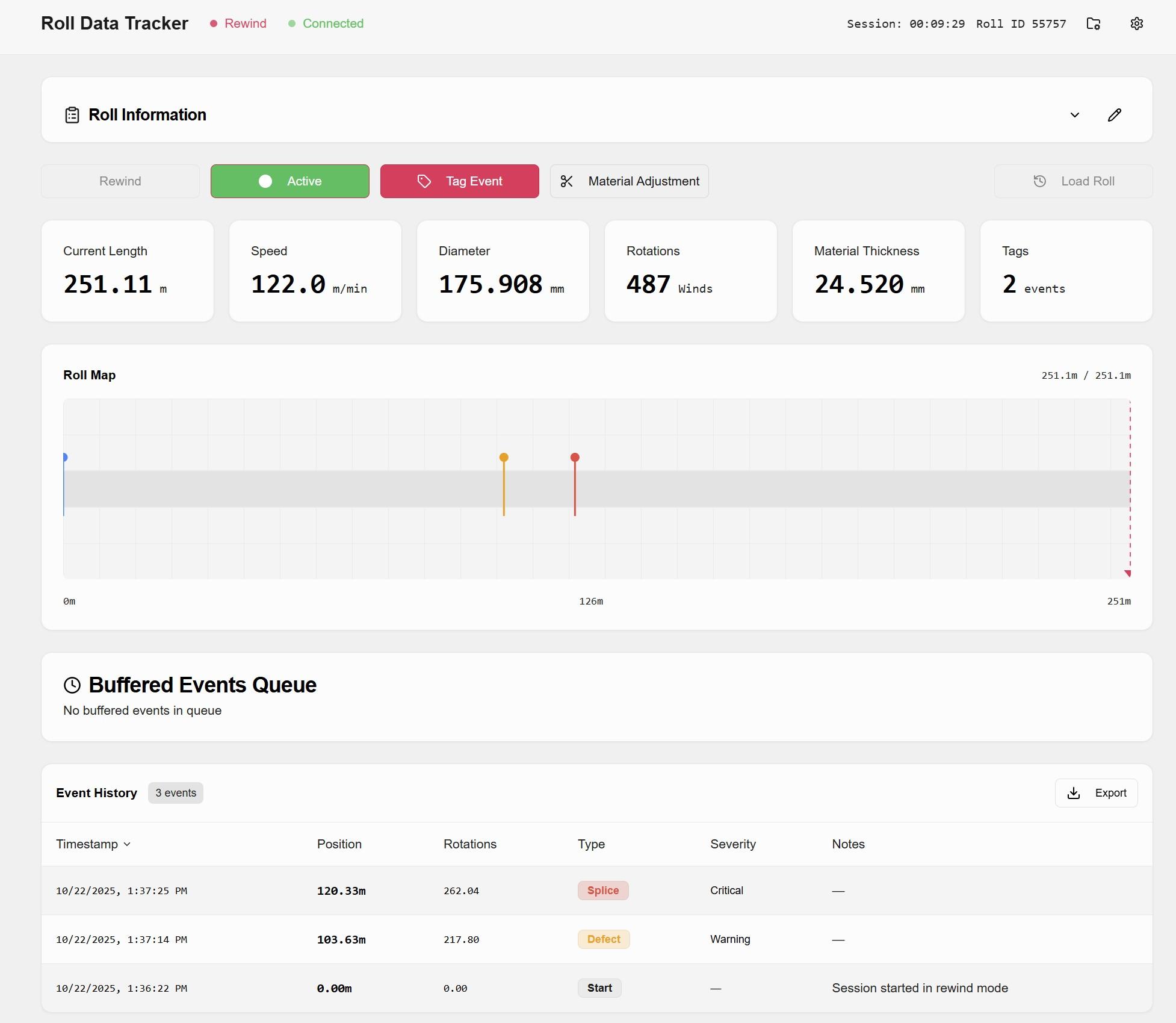
Historical information on existing run — Operators need at-a-glance visibility into the current production run's performance without digging through complex menus.
The engineer
The process engineer is responsible for the operation and upkeep of the process lines. They need a system they can use at the line or at their desk to set up recipes and to troubleshoot process issues. Key requirements include:
Software must be easy to configure — Recipe creation and parameter adjustment should be straightforward without requiring deep vision expertise.
System must have a complete set of features — Engineers need access to the full range of tools for fine-tuning detection parameters, thresholds, and classifications.
Support machine troubleshooting — The system should provide diagnostic data that helps engineers identify root causes of process issues, not just flag defects.
The quality manager
The quality manager needs to be able to apply standards, check against those standards and monitor customer shipments against customer orders. The goal is simple: optimize production while reducing claims to zero. The features the quality department requires are:
Generate reports for each production run — Comprehensive, exportable reports that document quality metrics across every run.
Remove waste from upstream processes — The ability to use inspection data to identify and eliminate waste introduced earlier in the production chain.
Archive results for customer service — A searchable archive of inspection results that customer service teams can reference when responding to claims or inquiries.
Summary
An inspection system should consist of a group of applications that are user specific and designed for the job in hand. An operator producing product today has no need to access archived data from a month ago. A process engineer or quality manager both have different requirements.
Considering all stakeholders from the start — operators, engineers, and quality managers — leads to higher adoption rates, better utilization of inspection data, and ultimately a stronger return on investment.
Need help with your machine vision project?
Consult with us free of charge to see if we can provide value to your project. We can help you define the scope and requirements.
Free consultationRelated articles
Optimizing your chances of success using deep learning in machine vision
Deep learning in machine vision depends heavily on how data is managed, not just the choice of model. Learn the data-centric approach to maximizing success.
The key questions when specifying an inspection system for a roll to roll application
For effective defect detection, a web inspection system can be broken down into three key functional elements: the imaging system, the processing system, and the output system. Learn how to specify each correctly.
Use of AI in Machine Vision and its barriers
Artificial Intelligence has revolutionized machine vision applications, enabling machines to analyze, interpret, and make decisions based on visual data. Explore the key applications and the barriers to broader adoption.